The tenth week of the legislative session began as we approached the final major deadline. This week marked the last “funnel� deadline, narrowing the list of bills eligible for consideration for the remainder of the session. As a result, there was significant activity across subcommittees and committees as we worked through legislation in both chambers.
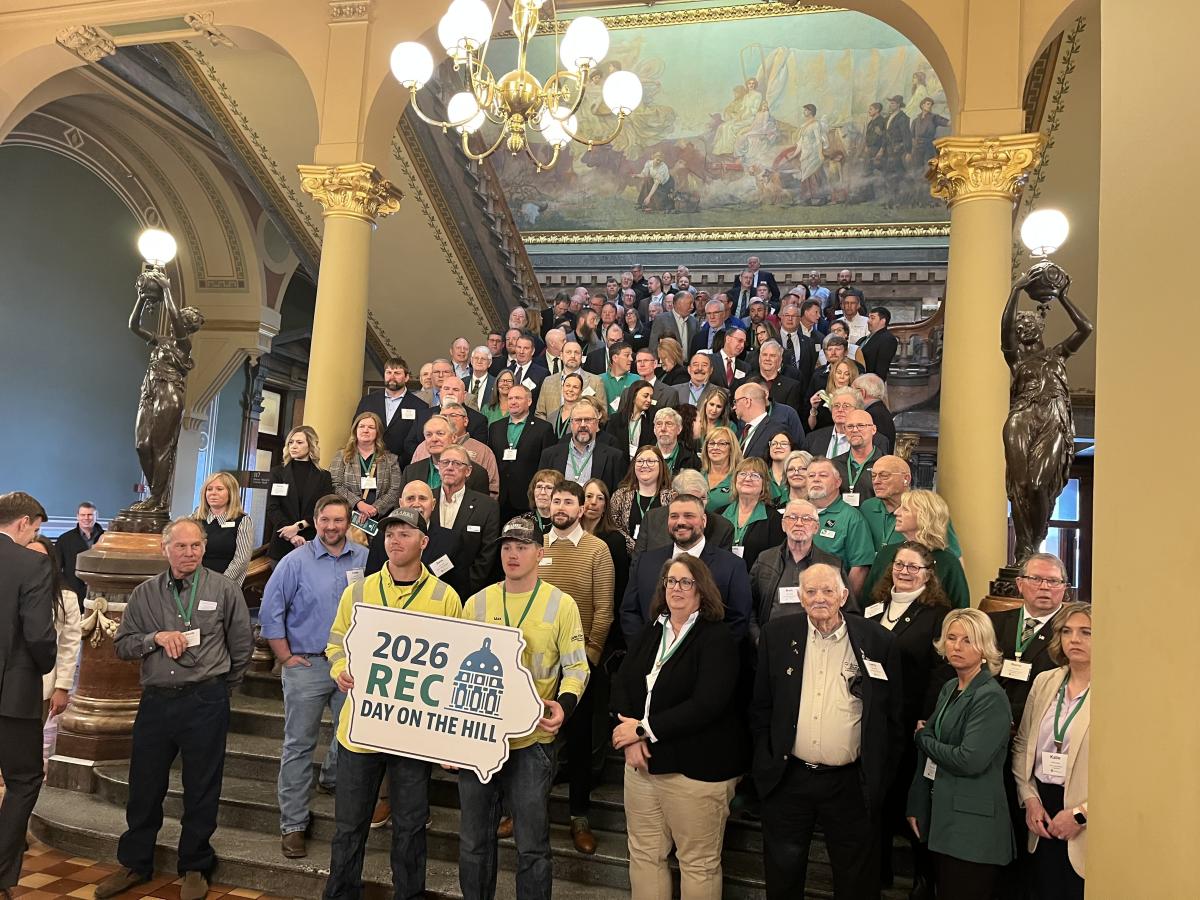
This week also recognized National Agriculture Week, a time to highlight the vital role agriculture plays in our daily lives. Farming remains central to Iowa’s economy, identity, and infrastructure, with agriculture and related industries accounting for more than 22 percent of the state’s total economic output. Iowa continues to lead the nation in pork and corn production. In conjunction with the celebration, the Iowa Cattlemen’s Association hosted its Day on the Hill on Wednesday, giving us the opportunity to connect with members and discuss key legislative priorities at the Capitol.
The Iowa Cattlemen’s Association (ICA) is dedicated to advancing the state’s beef cattle industry through advocacy, leadership, and education. Its programs aim to strengthen profitability and competitiveness by emphasizing genetic quality, market transparency, and professional development. Through a comprehensive “gate-to-plate� approach that blends modern technology with traditional practices, the ICA works to ensure Iowa remains a leading state for cattle production. As always, Iowa’s diverse agricultural sector continues to play a crucial role in the state’s overall economy.
As we worked toward the deadline, the Senate also engaged in floor debate. One notable bill passed this week was Senate File 2379, introduced by Attorney General Brenna Bird. This legislation allows victim counselors to share information with law enforcement in situations involving an immediate risk of serious harm or death. It also permits prosecutors and victims to seek extended no-contact orders for individuals convicted of sex offenses, including lifetime protections when necessary. Additionally, the bill shortens the notification window for registered sex offenders to report changes in residence, employment, or vehicle use from five days to three.
The bill further ensures that sexual assault examination kits are preserved at no cost for 20 years—or for the lifetime of the victim if the victim is a minor. It also provides prosecutors with tools to protect public safety when a defendant is deemed incompetent to stand trial and unlikely to regain competency. Supporting and protecting victims remains a top priority, and this legislation is another step toward helping individuals move forward safely.
Wednesday was another productive day filled with committee and subcommittee work. A major piece of legislation discussed was House File 2694, which would prohibit the governor from restricting or regulating places or practices of worship under any circumstances, including during a disaster or public health emergency. The bill also limits the scope of emergency powers by preventing changes to election laws without legislative approval, restricting regulation within private residences, and prohibiting vaccine mandates.
Additionally, the bill states that during a public health disaster, businesses cannot be required to cease lawful operations, though recommendations may still be issued. It also includes a provision aimed at preventing government shutdowns in Iowa by defaulting to the previous year’s budget if a new one cannot be agreed upon. This approach is intended to ensure continuity of services for Iowans regardless of budget negotiations.
With this deadline now behind us, attention turns to reconciling differences between House and Senate versions of legislation. While the funnel has narrowed the number of active bills, several major priorities remain to be finalized before they can be sent to the governor for approval. As always, please feel free to reach out with any questions about legislative activity or specific bills.
New cancer report shows lower cancer rates among farmers
A recent report from the Iowa Cancer Registry and the Agricultural Health Study provides new insight into cancer rates in Iowa. While cancer prevalence in the state remains a frequent topic of discussion, researchers continue working to better understand its causes. Earlier this year, Iowa Health and Human Services and the University of Iowa’s Institute for Public Health Practice, Research and Policy released findings underscoring the complexity of cancer and the difficulty in identifying definitive causes.
The Agricultural Health Study included more than 89,000 participants from Iowa and North Carolina, including over 31,000 pesticide applicators, 4,900 commercial applicators, and nearly 21,000 spouses. Over a ten-year period, the study found that Iowa farmers experienced 13 percent fewer cancer cases than expected compared to the general population, while spouses experienced 10 percent fewer cases.
Researchers noted that more than 80 percent of Iowa’s pesticide applicators participated in the study, making the findings particularly reliable. The data suggests that pesticide use among these farmers does not increase overall cancer risk. However, researchers continue to examine other contributing factors, including lifestyle. Previous findings from the University of Iowa indicated higher rates of binge drinking, obesity, and low vegetable consumption among Iowans—factors known to increase cancer risk.
To support ongoing research, the legislature allocated $1 million last year to the University of Iowa Hospitals and Clinics. While an initial report was released in February, a final report with additional findings is expected in June 2026. These efforts will help inform future policy decisions and support improved health outcomes for Iowans.


Comments
Submit a CommentPlease refresh the page to leave Comment.
Still seeing this message? Press Ctrl + F5 to do a "Hard Refresh".