-
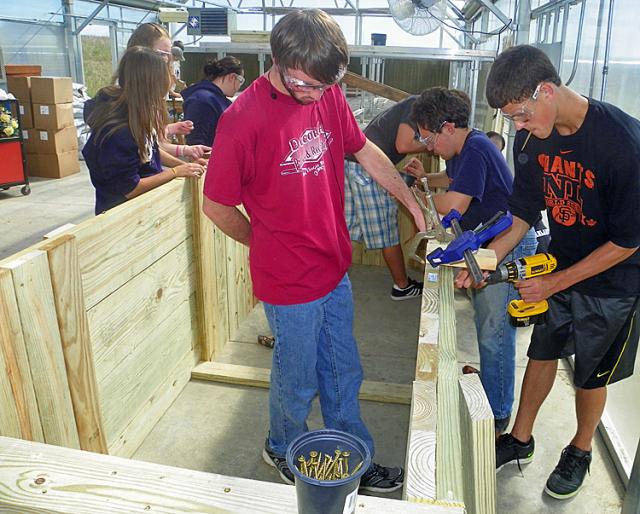 VSHA Aqua Science students are building the new aquariums in the greenhouse this week.
 -
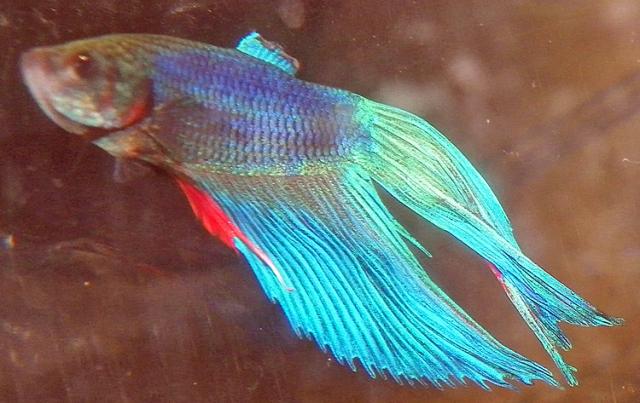 Bright fish like these are the first to find a place in the VSHS aqua science classroom.
 -
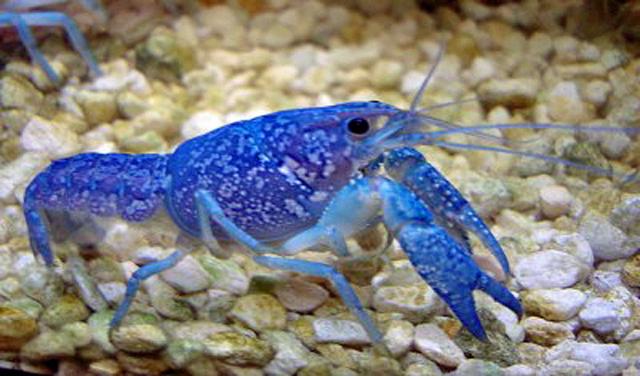 VSHS aquascience student Jake Milroy looks forward to adding the 'blue lobster' to class aquariums.
Since 1930, according to the T-shirts now in progress, the Vinton-Shellsburg Future Farmers of America has been "getting dirty."
Yet as the VS FFA chapter marks its 81st year, the school's newest agriculture class has nothing to do with dirt.
It's all about water, and what Ag class members can raise indoors, without dirt.
There are 15 students in the first-ever aqua science class at VSHS. Part of the expanding Ag curriculum, the class is designed to teach students how to raise and sell fish.
Eventually, says teacher Louise Fleming, the plan is to also raise vegetables hydroponically. Fleming's dream is to one day be able to sell fish the students breed and raise, and even grow lettuce that can supplement the school cafeteria's salad bar.
Tthere will soon be three large aquariums in the greenhouse adjacent to the FFA/Ag classroom, along with nearly a dozen smaller aquariums in the classroom. The students plan to raise, breed and sell a variety of fish, including fish that will be for pets (koi) and fish (Tilapia, Walleye, prawn) for human consumption.
Smaller fish and related species will first fill the tanks; students have been choosing their favorites.
Jake Milroy has his heart set on the "blue lobster," which is actually a blue crayfish. Others have mentioned the pink dolphin, an albino fish that resembles the large swimming mammals.
But first, the students must create the space in which to put the aqua science program. A discount from the Pets Playhouse in Cedar Rapids allowed the class to purchase $3,000 worth of aquarium supplies for three large tanks for just over $2,000.
"They gave us some discounts because this is for education," Fleming told the class.
Fleming's husband, Scott, has volunteered to help the students build the aquariums. The large ones are constructed with three layers of alternating 2 x 6 boards glued and screwed together. A thick rubber layer will form the bottom of the aquarium.
The students expect to finish building their part of the project this week. They will begin by stocking the aquarium with smaller fish to test the viability of the aquariums. Once they see that the aquarium has the right balance to support the smaller fish, they will add the larger ones. A university in Alabama has offered to sell the larger fish to the school for only the price of shipping.
Student Abbie Darland is one of the first aqua science class members. She was also one of two students who asked the school board to approve the aqua science program during its meeting last April. She said on Monday that she is interested in aqua science mainly because she liked the idea of working with living creatures.
Comments
Submit a CommentPlease refresh the page to leave Comment.
Still seeing this message? Press Ctrl + F5 to do a "Hard Refresh".